
Green hydrogen: where it genuinely makes sense
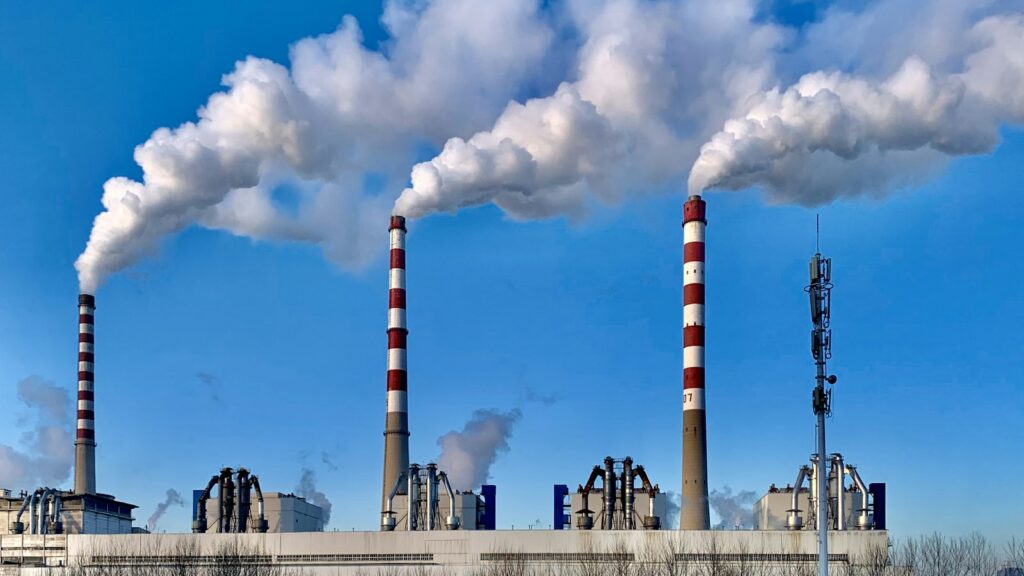
Fortescue quietly wound back its green hydrogen ambitions through 2024 and 2025, shelving projects in Queensland and overseas and writing down the capital already spent. Origin Energy stepped away from the Hunter Valley ammonia plan a little earlier. Andrew Forrest kept the flame burning longer than most, but even he trimmed the targets. None of […]
Eraring at 2027: the deal that bought NSW two more winters
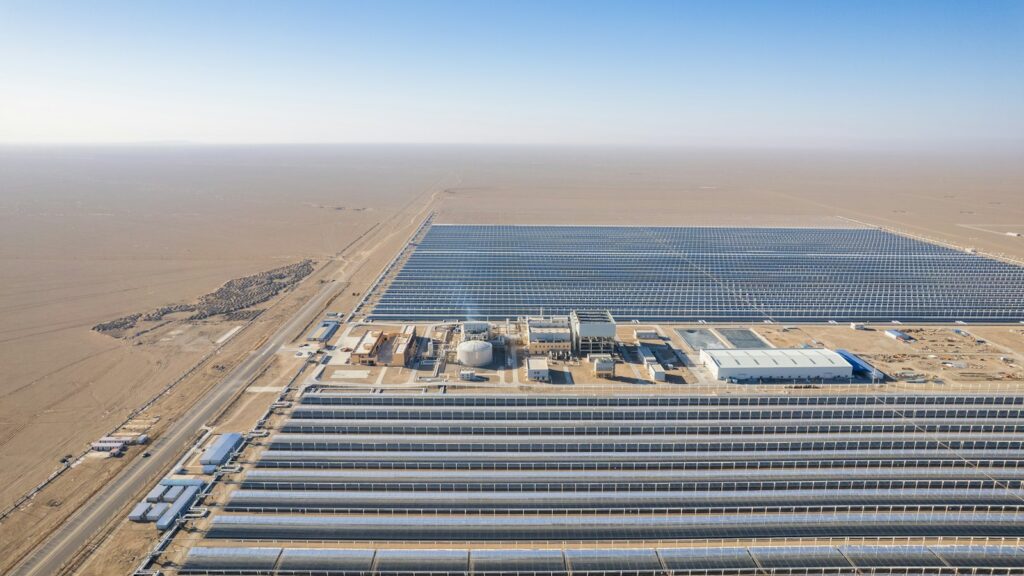
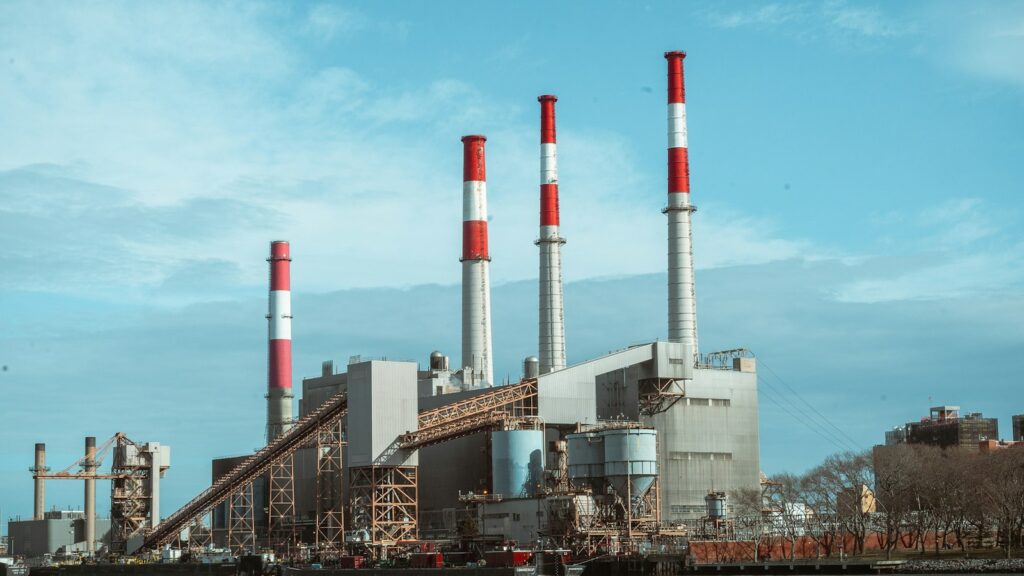
2,880 megawatts. That’s the nameplate on Eraring, which makes it the biggest coal plant in the National Electricity Market by a comfortable margin, and it’s the number that sits behind every argument about what happens on the NSW central coast over the next eighteen months. Origin Energy owns it. Origin wanted it closed by August […]
The Coalition’s nuclear plan: the cost and timeline maths
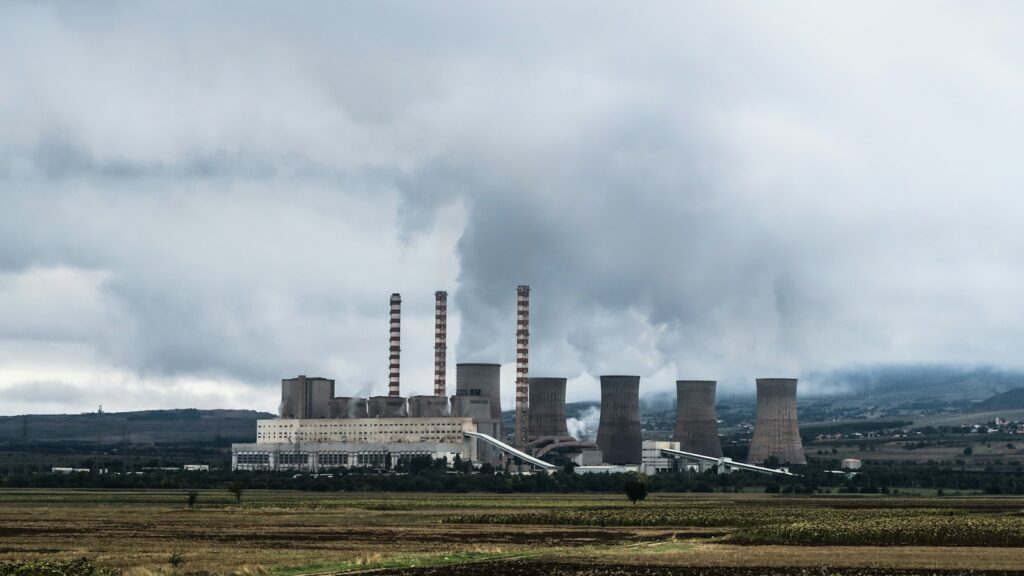
Seven sites, zero reactors under construction, and a policy that has now survived one federal election loss without updating its central numbers. That’s roughly where the Coalition’s nuclear plan sits heading into summer 2026 – still the same seven former coal sites first named in mid-2024, still built around CSIRO’s GenCost estimates as the thing […]
Yallourn’s 2028 closure: the battery and the workers racing the clock
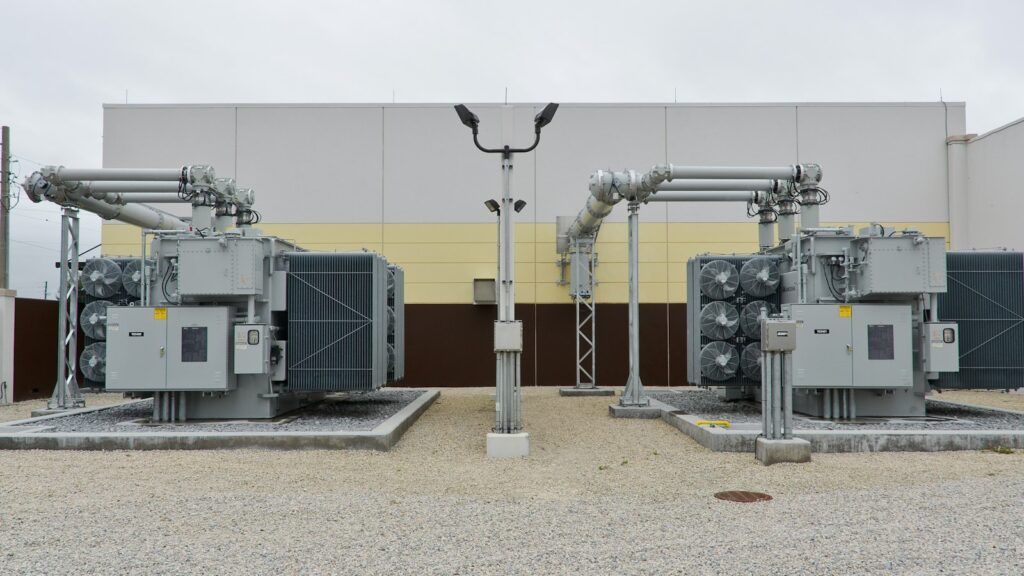
Four units, roughly 1,480 megawatts, and a date that’s been sitting on EnergyAustralia’s books since 2021: 2028. That’s when Yallourn, the brown-coal plant that’s burned Latrobe Valley lignite into electricity since the 1970s, is scheduled to shut for good. I drove past the Princes Freeway turnoff into Morwell a while back on the way to […]
Small modular reactors: what the technology can actually do now
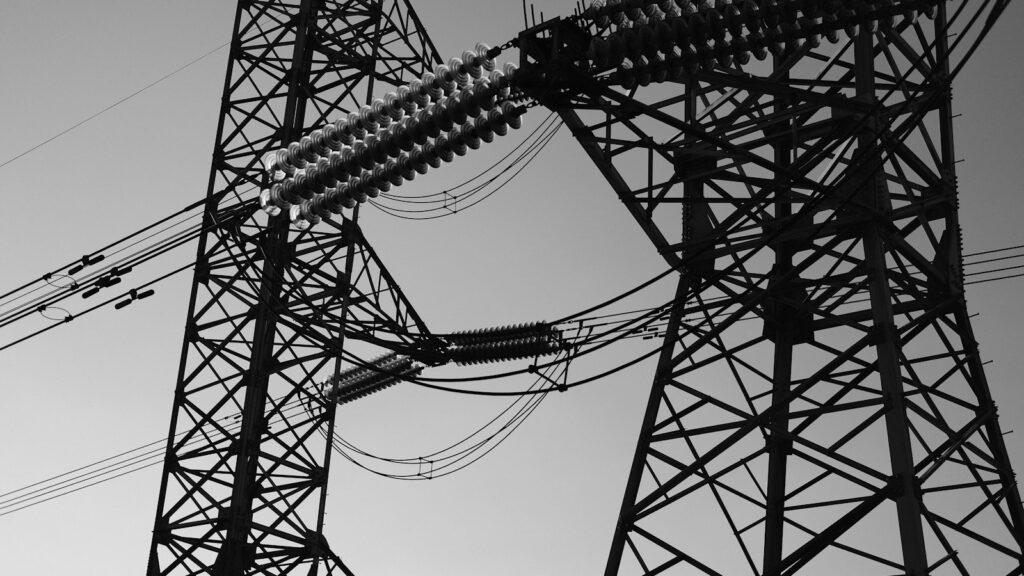
NuScale’s first US customer, a group of Utah municipal utilities called UAMPS, walked away from its small modular reactor project in late 2023 after the targeted cost per megawatt-hour had roughly doubled from the original estimate. That project had government backing, a willing customer base, and a design that had already cleared the US Nuclear […]
Winter 2028 is when the east-coast gas question gets answered
I’ve lost count of how many times I’ve written some version of this sentence: the east-coast gas supply question has been deferred, not solved. AEMO’s Gas Statement of Opportunities has flagged a seasonal shortfall risk for the southern states most winters since the exercise began, and most winters the shortfall hasn’t actually arrived, because someone […]
What ‘firming’ means and why gas keeps coming up
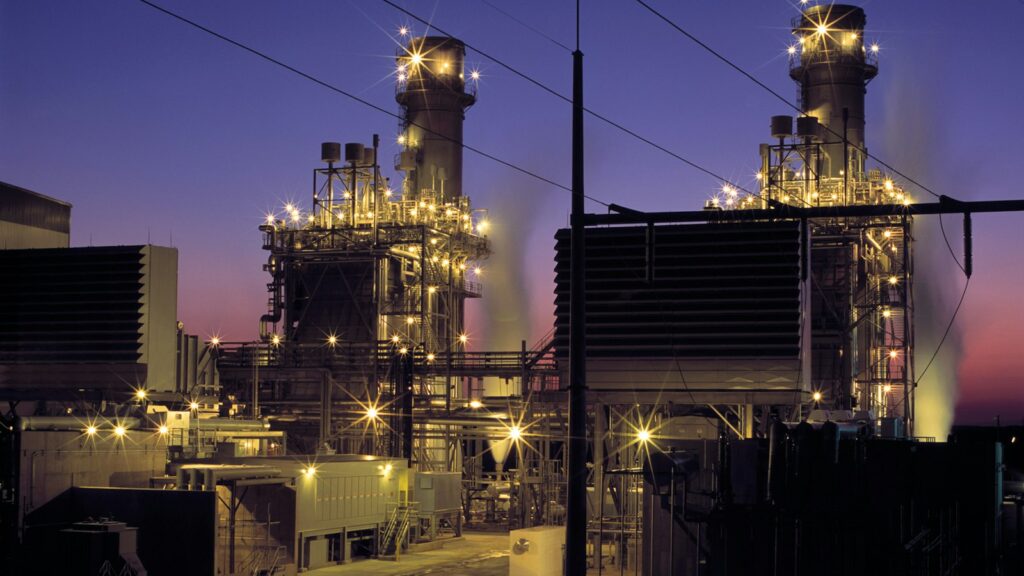
Stand at the fence line of a gas peaker on a still winter evening around 6pm and you’ll see the thing that spreadsheets never quite capture: nothing happening, then everything happening. Rooftop solar has fallen off a cliff, the wind’s gone to sleep over the Southern Ocean, and 25,000 air conditioners and heaters across the […]
Green hydrogen: where it genuinely makes sense
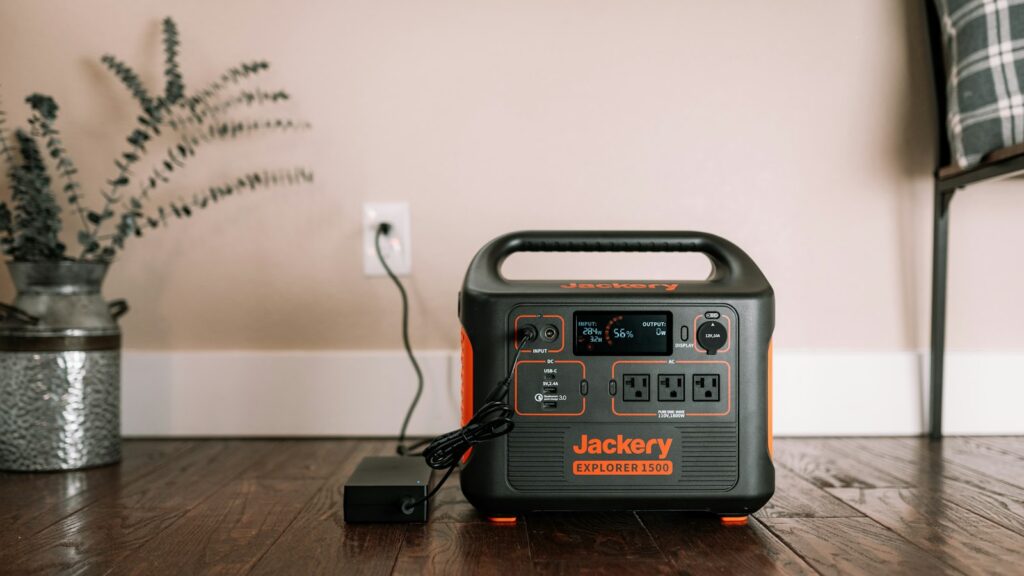
A few years back I sat through a pitch deck in a Fremantle boardroom that had hydrogen doing everything: trucks, trains, home heating, peaking power, export cargoes to Japan, the lot. Every slide had a different end use and every end use had the same green arrow pointing at it. Nobody in the room asked […]
Coal closures and the reliability debate nobody’s settled
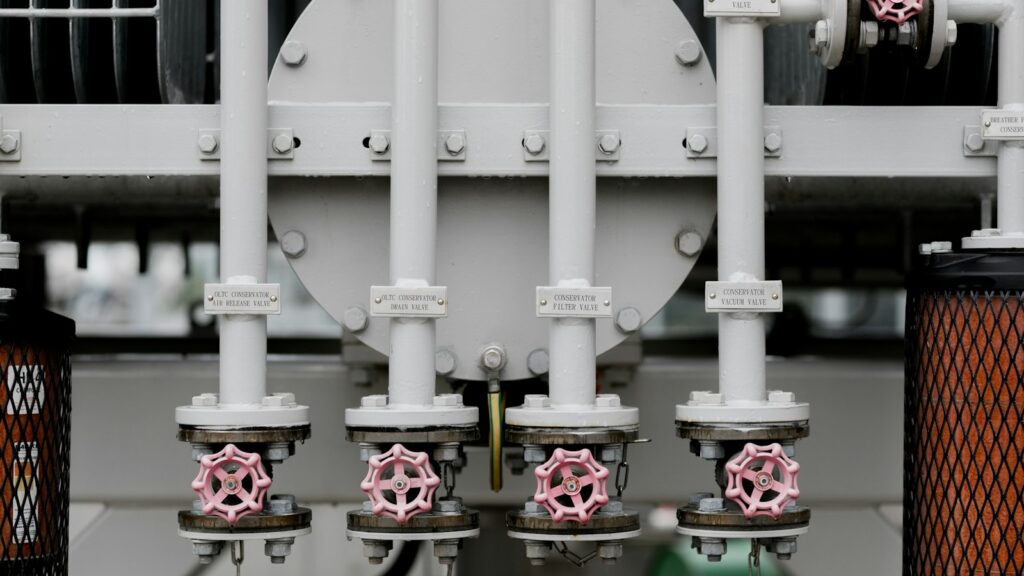
AEMO’s reliability forecasts have a habit of reading like actuarial tables written by someone who’d rather not be the one telling you the bad news directly. The latest Electricity Statement of Opportunities again flags the mid-2030s as the period where the NEM’s reserve margins get genuinely thin in a couple of regions, assuming committed projects […]
Nuclear versus firmed renewables: the cost maths, again
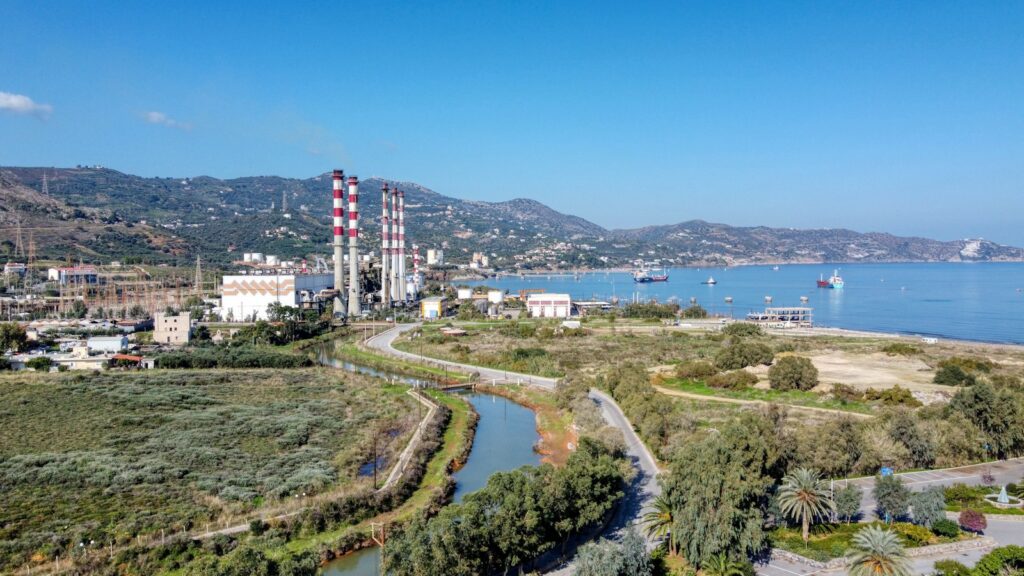
CSIRO and AEMO published the latest GenCost draft a few months back, and the number that mattered most sat quietly in a footnote: the “first-of-a-kind” premium on large nuclear in Australia, if construction started today, would stretch a plant’s levelised cost well beyond anything firmed renewables are currently contracting at. Nobody at the launch dwelled […]